Civil Law · Ontario, Canada
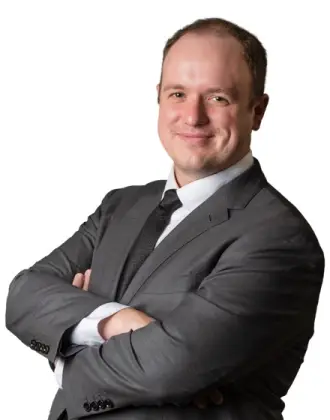
Oliver Jay Gorman-Asal
Lawyer · Beard Winter LLP · Toronto
About
Oliver joined the Insurance Litigation group in 2020. He practises insurance defence litigation with an emphasis on statutory accident benefits claims, personal injury, motor vehicle accident claims, occupier’s liability claims, priority disputes, and loss transfer. He regularly appears at the Ontario Superior Court of Justice and the Licence Appeal Tribunal (LAT). Prior to joining Beard Winter LLP, Oliver was an in-house lawyer with one of Canada’s largest insurers.
Oliver joined the Insurance Litigation group in 2020. Oliver practises insurance defence litigation with an emphasis on statutory accident benefits claims, personal injury, motor vehicle accident claims, occupier’s liability claims, priority disputes, and loss transfer. He regularly appears at the Ontario Superior Court of Justice and the Licence Appeal Tribunal (LAT).
Oliver received his Bachelor of Arts (Honours) in History and Political Science at the University of New Brunswick and was Valedictorian of his graduating class. During law school, he volunteered with the student legal clinics and interned with the New Brunswick Court of Appeal. Prior to joining Beard Winter LLP, Oliver articled at a boutique insurance defence firm located in downtown Toronto before joining one of Canada’s largest insurers as in-house counsel.
In his spare time, Oliver volunteers with a Toronto-based settlement and community organization where he helps new Canadians work on their English language skills. Oliver is also a proud Maritimer and converted Leafs fan.
The applicant disputed his entitled to non-earner benefits and three treatment plans arising out of an accident that took place on October 22, 2019. The applicant tendered two section 25 reports in support of his position but no other medical records. The Tribunal found in favour of the respondent, preferring its s. 44 reports and noting that the s. 25 assessors did not retain the services of a Somali interpreter even though the applicant was only fluent in Somali, nor did they provide Acknowledgment of Expert Duty forms as required by Rule 10.2(b) of the Tribunal’s Rules.