Civil Law · Ontario, Canada
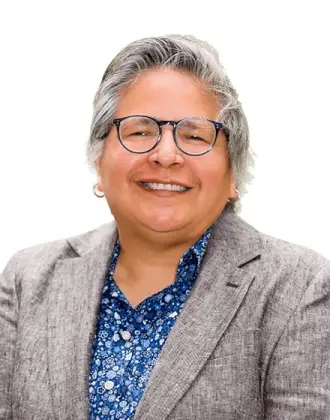
Sara Jane Mainville
Lawyer · JFK Law LLP · Toronto
About
TF: 1-888-687-8388 F: (437) 293-5367 Suite 1100, 65 Queen Street West Toronto, ON M5H 2M5
Sara Mainville has been a member of the Ontario bar (2005), the BC bar (2022), and the Saskatchewan bar (2024) with specific matter approvals to practice in Nunavut and Quebec. Sara has a Management/Public Administration degree (Lethbridge) and a Bachelor of Laws from Queen’s University. She has a LLM from the University of Toronto, an Advanced Negotiations certificate from Harvard University, a certificate in ADR, Media training, a Certificate in Entertainment Law (Osgoode PD) and a Certificate in International Indigenous Rights and Policy (Geneva, IIPRIP Summer Institute).
Sara articled at Ecojustice (2004) in Toronto and served on their Board for six years ending in 2023. During her early practice years with a well-known Anishinaabe law firm, Sara completed her LL.M (University of Toronto) and a thesis titled: Manidoo Mazina’igan: An Anishinaabe perspective Treaty 3, which was one of the earliest examples of Indigenous constitutional research by a legal practitioner.
Sara continues to work with First Nations and Inuit clients and is one of the few practicing lawyers that works as much within Indigenous constitutionalism and ”Indigenous law” as within the Canadian constitutional order (“Aboriginal law”).
In 2014, Sara was elected as Chief of Couchiching First Nation after the sudden death of her friend and mentor, Chief Chuck McPherson. During that term she ensured that the First Nation has strong policy going forward, a good social media presence to engage the many members living away from community and she livestreamed her Chief and Council and community meetings. Sara uses this experience as a former Chief to help leadership work past difficult issues, within Indigenous forms of dispute resolution, and help the community navigate through processes to encourage discourse and grassroots solutions to long-held problems. Sara is a strong believer that self-determination requires the Indigenization of our policies, approaches, and legal frameworks.